How I Fixed the Smell My Wife Wouldn't Talk About
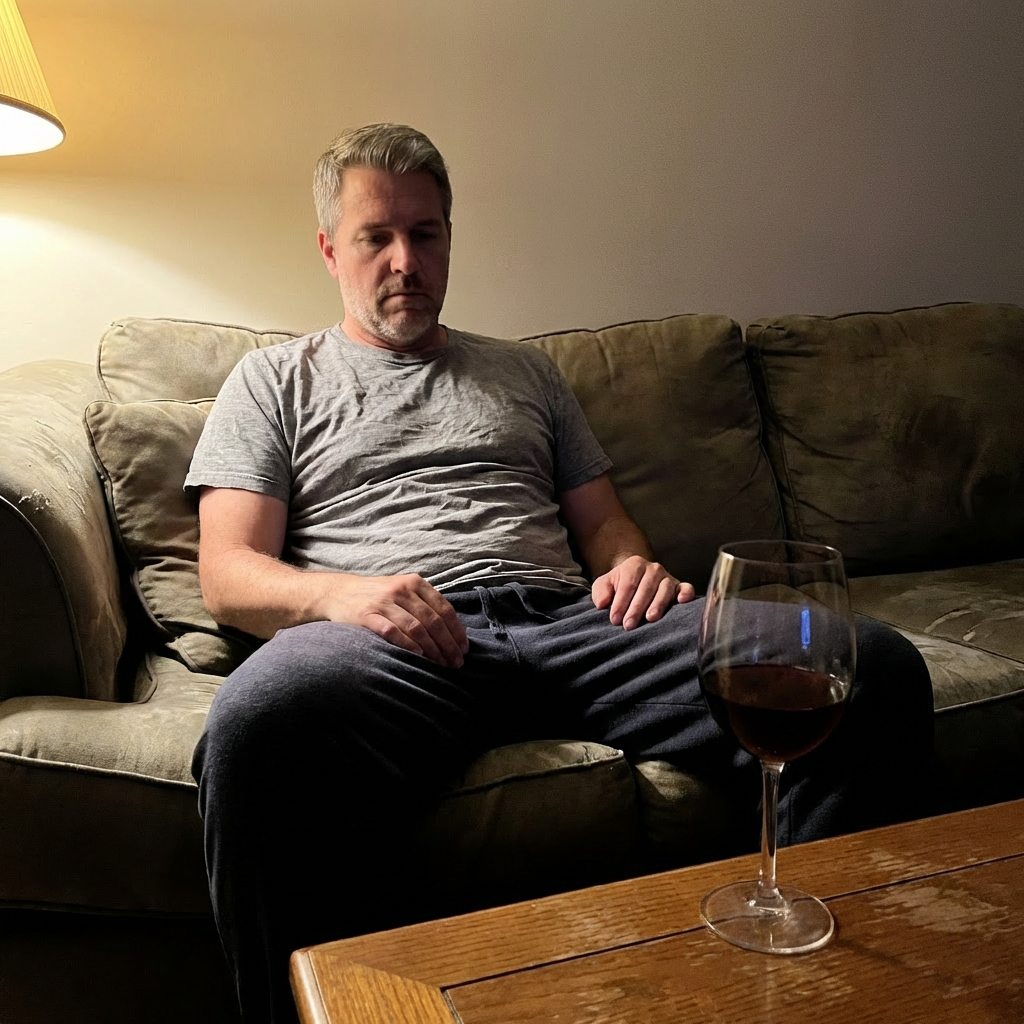
My wife stopped kissing me goodnight. She didn't say why. She just stopped. One night she leaned in, hesitated, then patted my shoulder instead. The next night she turned toward the wall before I could lean over.
I'm 57. Married 31 years. Maggie and I have never gone to bed without a kiss. Not after arguments. Not after long days. Not after anything. It's just what we do. What we've always done.
Until she stopped.
I asked her about it on the third night. She was reading with her back to me. "Mag, everything okay?"
"I'm fine." She didn't turn around.
I knew she was lying. But I didn't push it. I told myself she was tired. Stressed. Going through something. I'd give her space.
Two weeks later, my daughter Hannah came home for the weekend. She hugged me at the front door and pulled back. Her face did something I've never seen before. A tiny flinch. She covered it immediately, smiled, said "Hi Dad." But I saw it.
That night I stood in the bathroom with the door locked and smelled my own shirt. My skin. My breath. And I understood.
It was me. I smelled wrong. Not like sweat. Not like food. Something sour and chemical coming from inside. From my pores. From my breath. Something a shower couldn't reach because it wasn't on the surface.
Maggie hadn't said anything because she loved me too much to say it. Hannah covered her reaction because she didn't know how to say it. And I'd been walking around for weeks, maybe months, with no idea.
I'd had two glasses of cabernet with dinner that night. Same as every night for 25 years.
The Appointment I Almost Didn't Make
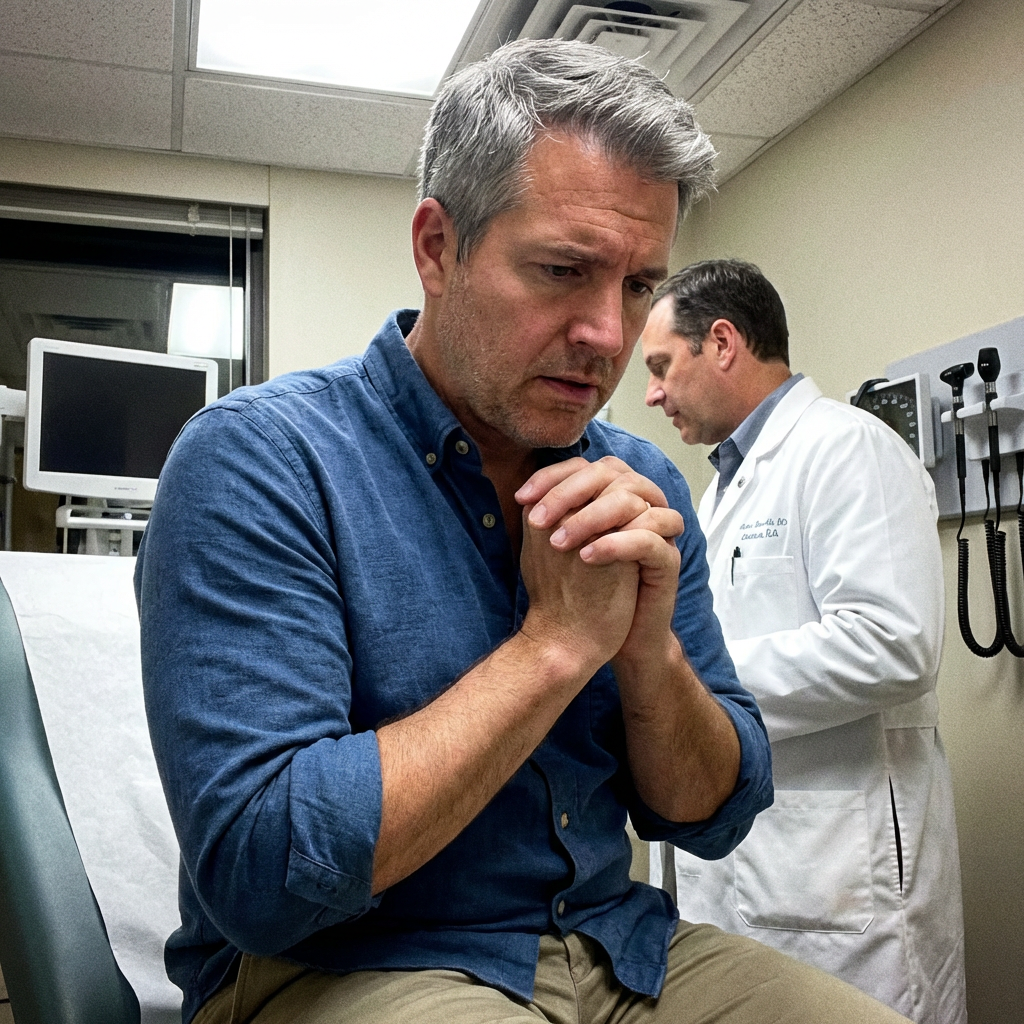
I almost didn't go. How do you tell your doctor that your wife won't kiss you because of the way you smell? That your daughter flinched when she hugged you? That you stand in the bathroom smelling your own shirt?
But Maggie's face. Every night. The way she turned away. I couldn't pretend anymore.
Dr. Callahan didn't flinch. He didn't tell me to shower more. He asked one question: "How much do you drink?"
I told him the truth. Two glasses of wine with dinner. Maybe a bourbon on Saturday. Nothing excessive. I've never been drunk at a family event. Never missed work. Never had anyone tell me I drink too much.
He ordered a full liver panel that morning.
My Liver Panel Results:
My Numbers
Normal Range
Dr. Callahan pointed at the numbers the way you point at something you want someone to take seriously.
"Fletcher, your liver enzymes are significantly elevated. Your ALT is almost double the upper limit. Your GGT is nearly double. And your bilirubin is climbing, which means your liver is struggling to filter waste products from your blood."
I asked what that had to do with the smell.
"Everything. When your liver can't filter toxins efficiently, those toxins have to go somewhere. They circulate in your bloodstream. They come out through your sweat glands, your breath, your skin. Acetaldehyde, ammonia, volatile organic compounds. Your body is literally pushing toxins through your pores because your liver can't process them anymore. That's the smell. It's not hygiene, Fletcher. It's organ function."
He pulled up a progression chart. Four stages of liver stress.
Stage 1: Fatty Liver. Fat accumulates in liver cells. No symptoms. No smell. No pain. Your liver is working harder but compensating. Most moderate drinkers live here for years without knowing it. 80-100 million Americans are in Stage 1 right now.
Stage 2: Liver Inflammation. The fat triggers chronic inflammation. Liver enzymes rise. Your liver starts losing the ability to filter toxins efficiently. This is where the smell begins. Acetaldehyde, the toxic byproduct your liver can't fully break down, starts leaking into your blood. It comes out through your skin, your breath, your sweat. People notice before you do.
Stage 3: Fibrosis. Scar tissue starts replacing healthy liver tissue. The damage is becoming structural. Yellowing skin. Dark urine. Persistent fatigue. The smell gets worse. Your liver is losing capacity it won't get back without intervention.
Stage 4: Cirrhosis. Irreversible scarring. Liver function drops below what's needed to sustain normal life. Fluid buildup. Confusion. Bleeding. Transplant list. My uncle went from "I just have a couple drinks" to a hospital bed in three years. He didn't make it to the transplant.
He said one more thing before I left: "The smell will be the last thing to go. It takes 60 to 90 days for your liver to recover enough to filter those compounds properly again. But it will go. If you act now."
I sat in the parking lot for ten minutes. Then I called Maggie. I didn't tell her what the doctor said. I just said, "I'm going to fix this." She was quiet for a long time. Then she said, "Okay."
Everything I Tried That Didn't Work
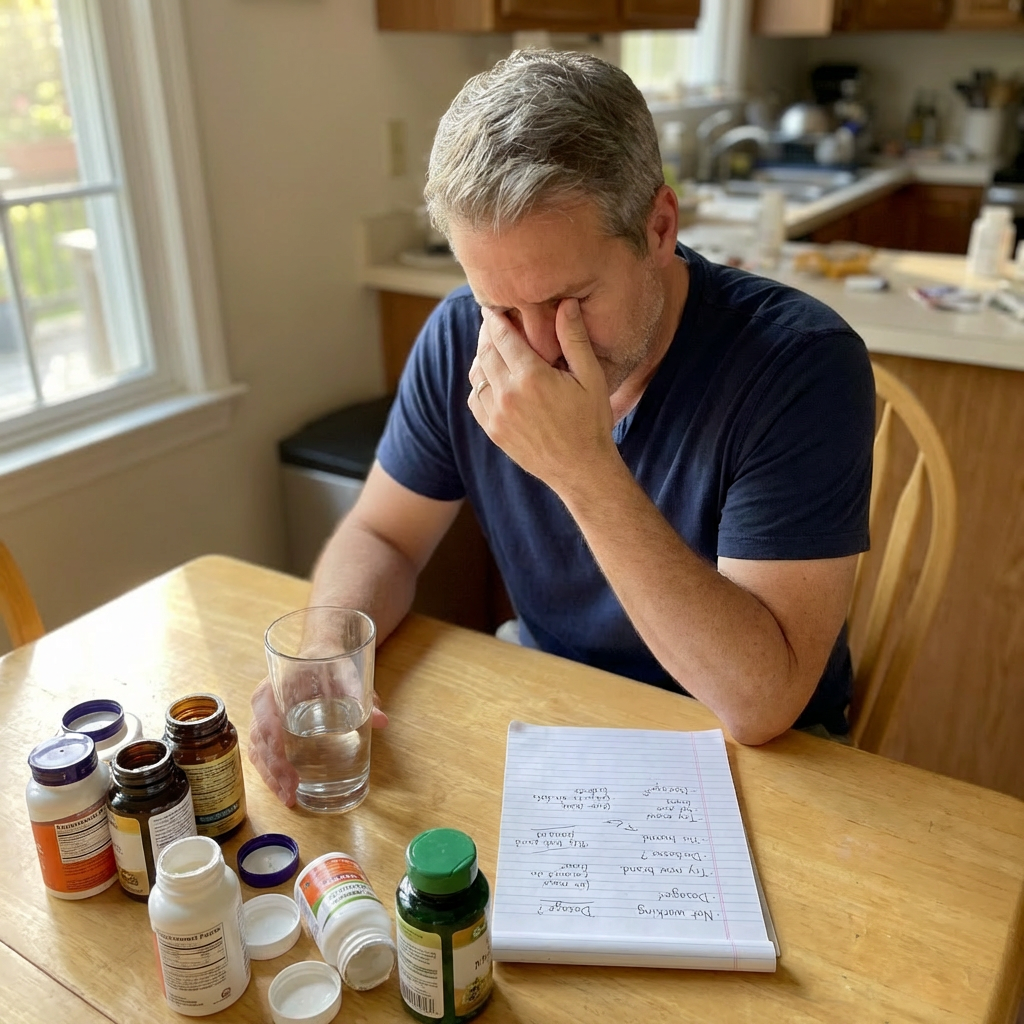
I stopped drinking that night. Cold. No taper. No "one glass." Zero.
Then I went after the liver support hard.
Month 1: Milk Thistle ($40/month)
Every liver article on the internet says milk thistle. So I bought the highest-rated brand, maximum dose. Four weeks. My ALT dropped from 67 to 61. Barely moved. The smell was exactly the same. Maggie still kept her distance at night. Milk thistle alone can support liver health, but it can't address active inflammation and toxin buildup simultaneously. It's one tool when you need five.
Month 2: NAC (N-Acetyl Cysteine) ($55/month)
NAC is the precursor to glutathione, the liver's master antioxidant. I added it to the milk thistle. Four more weeks. ALT: 58. Better. But GGT was still 82. The smell hadn't changed. I could still smell it on my pillowcase in the morning. Maggie noticed me sniffing it and looked away. That moment broke something in me.
Month 3: "Liver Cleanse" from a Health Food Store ($85)
Proprietary blend. Beautiful label. Promised "complete liver detox in 30 days." I took it religiously. My stomach hurt for two weeks. My ALT went from 58 to 54. Still elevated. Still above normal. The smell was still there. I'd shower before bed and Maggie would still sleep facing the wall.
Month 3-4: Elimination Diet + Exercise ($400 in specialty groceries)
Cut sugar, processed food, dairy, gluten. Walked five miles a day. Lost eight pounds. Felt better physically. My enzymes dropped a few more points. But the smell. Still there. Fainter, maybe. But still enough that I could see it on Hannah's face when she visited for Thanksgiving. She hugged me and held her breath. She thought I didn't notice.
$580 spent. Four months gone. I'd stopped drinking entirely, changed my diet, exercised daily, and taken every supplement the internet recommended. My liver enzymes were improving slowly. But the smell that was destroying my marriage was still coming through my skin.
Because nothing I took addressed all the pathways at once.
Why Nothing Worked Alone
I was sitting at my desk past midnight, reading a 2022 clinical review from the University of Pittsburgh, when I found the paragraph that explained everything.
Reversing alcohol-related liver inflammation requires a multi-pathway approach: enhancing Phase I and Phase II liver detoxification, replenishing depleted glutathione, reducing oxidative stress, supporting bile flow, and repairing hepatocyte membrane integrity. No single compound achieves this. Effective intervention requires coordinated support across all pathways simultaneously.
Five pathways. All failing at the same time. Milk thistle alone hits one. NAC hits one. The "liver cleanse" from the health food store had ingredients at doses too low to move the needle on any pathway. My liver was leaking toxins through five holes and I was plugging one at a time.
That's when I started asking why nobody told me this.
The liver health industry generates over $14 billion per year worldwide.
Liver disease management, hepatology visits, imaging, liver biopsies, pharmaceutical interventions. The system is built around monitoring decline, not reversing it. An ultrasound costs $300. A liver biopsy costs $3,000. An annual hepatology monitoring plan runs $2,000 to $5,000 depending on your insurance.
A natural formula that costs less than $2 a day and addresses all five detoxification pathways is not a welcome development in a $14 billion industry.
Nobody is going to mention it in a hepatology consult that bills $400 per visit. No pharmaceutical company is going to fund research on a supplement that makes their liver drugs unnecessary. That's not a conspiracy theory. That's just economics.
I'm not saying doctors don't care. Dr. Callahan cares. He told me to stop drinking and he monitored my enzymes. But the system he operates in doesn't incentivize solving the problem for $59. It incentivizes managing it for $5,000 a year.
The Research That Changed Everything

Once I understood it was a multi-pathway problem, the picture became clear:
Pathway 1: Acetaldehyde Breakdown (The Source of the Smell)
When you drink alcohol, your liver converts it to acetaldehyde. That's the toxic compound responsible for the smell. In a healthy liver, acetaldehyde is quickly broken down by an enzyme called ALDH2. But after years of moderate drinking, ALDH2 production declines. Acetaldehyde accumulates. It circulates in your blood. It comes out through your sweat, your breath, your skin. That's the smell Maggie wouldn't talk about.
The fix: A compound that accelerates ALDH2 activity and helps your liver break down acetaldehyde faster.
Pathway 2: Glutathione Replenishment
Glutathione is your liver's master detoxifier. It neutralizes toxins, heavy metals, and free radicals. Alcohol depletes glutathione faster than your body can produce it. After 25 years of moderate drinking, my glutathione levels were critically low. That meant every toxin my liver should have neutralized was instead circulating in my blood.
The fix: A glutathione precursor at clinical doses to rebuild the liver's primary defense system.
Pathway 3: Liver Cell Protection
Alcohol damages the membranes of liver cells (hepatocytes). Damaged cells can't filter properly. They leak. Toxins that should stay contained in the liver for processing instead enter the bloodstream. This is why the smell comes from your pores. Your liver cells are leaking.
The fix: A compound proven to stabilize and repair hepatocyte membranes.
Pathway 4: Inflammation Reduction
Chronic alcohol use triggers persistent liver inflammation. Inflamed tissue can't function. It's like trying to run a water filtration plant during a fire. The filter exists but it's too damaged to work. Reducing inflammation is not optional. It's the prerequisite for everything else to work.
The fix: A clinically proven anti-inflammatory that specifically targets liver tissue.
Pathway 5: Nutrient Restoration
Alcohol depletes B vitamins, particularly thiamine (B1). Thiamine deficiency impairs liver function, energy metabolism, and neurological health. Your liver needs these nutrients to regenerate. Without them, even if you stop drinking, recovery stalls.
The fix: High-dose thiamine and B-complex at therapeutic levels to fuel liver regeneration.
Five pathways. All connected. All failing simultaneously. Fix one and the other four compensate. Fix all five and the liver regenerates itself. That's what 25 years of moderate drinking had broken. And that's what I needed to fix all at once.
How I Found It
Ray. Same buddy who helped me with the blood sugar situation. He'd gone through his own liver scare two years earlier. Similar story. Wine with dinner. Elevated enzymes. His wife told him his breath smelled metallic.
"There's a formula that my doctor actually recognized," he said. "Not one ingredient at a time. All of them together. Clinical doses. My enzymes were normal in six weeks."
"And the smell?"
"Gone by week four. My wife kissed me on the mouth for the first time in two months. I almost cried in the kitchen."
The formula was called Daily Restore by Cloud9. I pulled up the label that night.
The Formula: Five Pathways, One Capsule
Every ingredient mapped directly to the five pathways the research identified. Not a proprietary blend with hidden doses. Every milligram listed on the label.
✓ DHM (Dihydromyricetin) 300mg (Pathway 1: Acetaldehyde Breakdown)
DHM is the compound that directly accelerates ALDH2 enzyme activity. It helps your liver break down acetaldehyde, the toxic byproduct responsible for the smell. Research from Mount Sinai showed DHM enhanced alcohol metabolism and reduced acetaldehyde accumulation significantly. This is the ingredient that stops the smell at its source.
✓ NAC (N-Acetyl Cysteine) 600mg (Pathway 2: Glutathione Replenishment)
NAC is the direct precursor to glutathione. At 600mg clinical dose, it rebuilds your liver's primary defense system. This is the same compound used in emergency rooms to treat acute liver toxicity. Research from Tufts University demonstrated that NAC supplementation restored glutathione levels in alcohol-affected livers within 8 weeks.
✓ Milk Thistle 250mg (80% Silymarin) (Pathway 3: Liver Cell Protection)
Silymarin stabilizes and repairs the membranes of liver cells. It plugs the leaks. At 80% standardized extract, this is clinical-grade milk thistle, not the 30% extract you find at the drugstore. A 2021 meta-analysis from Virginia Commonwealth University confirmed that high-potency silymarin reduced liver enzyme levels and improved hepatocyte integrity in patients with alcohol-related liver damage.
✓ Thiamine (B1) 100mg + B-Complex (B2, B6, B9, B12) (Pathway 5: Nutrient Restoration)
Thiamine at 100mg is a therapeutic dose. Most supplements contain 1-3mg. Alcohol depletes thiamine faster than any other nutrient, and thiamine deficiency directly impairs liver regeneration. The B-complex supports methylation, energy metabolism, and neurological recovery. Research from the University of Wisconsin showed that high-dose thiamine accelerated liver recovery in moderate drinkers by supporting the enzymatic processes the liver needs to regenerate.
Five ingredients. Five pathways. Everything the research said was necessary. Nothing hidden. Nothing at subtherapeutic doses.
I ordered a 6-month supply that night.
 See the Formula That Stopped the Smell →
What Happened Over the Next 90 Days
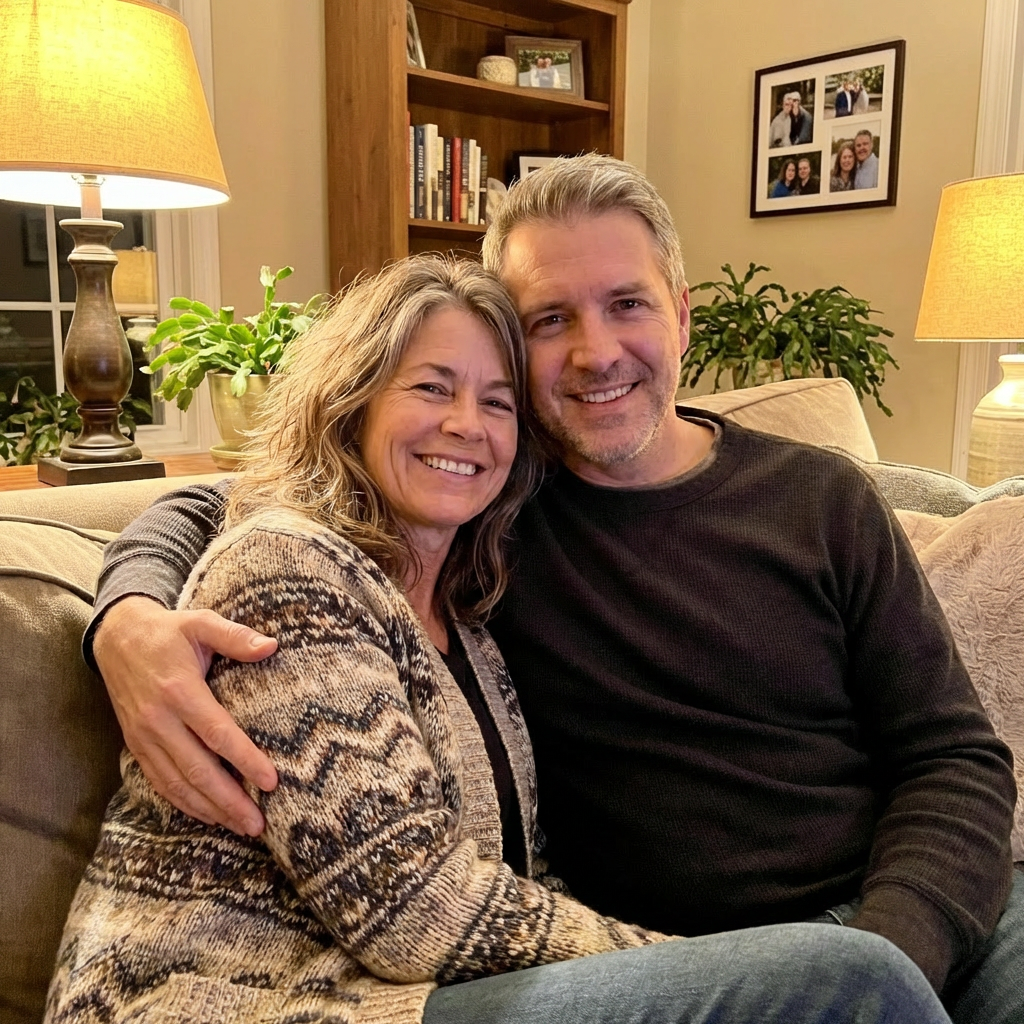
I started taking it the morning it arrived. Two capsules with breakfast. I was still not drinking. Still eating clean. But this was the piece that had been missing.
Week 1: Subtle Shift
Nothing dramatic. But by day five, I noticed my morning breath was different. Not metallic anymore. Just normal. I checked my pillowcase. It didn't smell like anything. For the first time in months, my pillow just smelled like laundry detergent.
Week 2: Energy Came Back
The afternoon drag that had been hitting me every day started fading. I wasn't collapsing on the couch at 4 PM anymore. My brain felt clearer. I could focus on a book for more than twenty minutes. I hadn't realized how foggy I'd been until the fog lifted.
Week 3: I Smelled My Shirt and Smelled Nothing
I stood in the bathroom after my morning walk. Sweaty shirt. I pressed it to my face expecting the sour chemical smell I'd been carrying for months. Nothing. Just sweat. Clean, normal sweat. I checked again. Nothing. I almost laughed. Then I almost cried.
Week 4: Hannah Called
She called on a Sunday. We talked for an hour about nothing. At the end she said, "Dad, you sound good. Like, really good." I knew what she meant. She didn't have to say it. The last time she saw me, she held her breath during a hug. She could hear the difference in my voice because the difference was in my body.
Week 6: Maggie Kissed Me
I was sitting on the edge of the bed reading. Maggie came in from the bathroom. She sat down next to me. She leaned in. She kissed me on the mouth. Soft. Slow. The way she used to before all of this. She pulled back and said, "I missed you." I couldn't say anything for a full minute. I just held her hand.
Week 8: The Bloodwork
Dr. Callahan ran another liver panel.
The Numbers My Doctor Didn't Expect
My 90-Day Results:
Before (August)
After (November)
I told him about Daily Restore. He pulled up the ingredient list, read through it carefully, and nodded. "Multi-pathway. Clinical doses. DHM for acetaldehyde metabolism, NAC for glutathione, high-potency silymarin, therapeutic thiamine. This is well-designed."
He wrote it in my chart.
See the Formula My Doctor Wrote Down →I'm Not the Only One
"My girlfriend told me I smelled different. Not bad, just different. Like something chemical. I was too embarrassed to ask my doctor. A friend told me about Daily Restore. Six weeks later she said the smell was completely gone. My liver enzymes went from elevated to normal. I still have wine occasionally. My body just processes it now."
Mike T., 51, Denver, CO
"My wife moved to the guest bedroom. She said my breath at night was unbearable. Metallic, sour, like something rotting. I was devastated. My doctor said it was my liver struggling with years of moderate drinking. I took Daily Restore for two months. My wife moved back to our bedroom. She said I smell like myself again."
Robert K., 59, Nashville, TN
"I couldn't hug my grandkids without seeing them wrinkle their noses. Children are honest. They don't hide it. I started Daily Restore in October. By Thanksgiving, my granddaughter climbed into my lap and put her face against my chest. No flinch. No wrinkle. Just a hug. I'm not ashamed to say I cried."
David P., 63, Raleigh, NC
"I'm a nurse. I recognized the smell on myself before my husband did. Acetaldehyde toxicity from 20 years of wine with dinner. I started Daily Restore because the ingredient profile matched exactly what I'd learned in clinical training. Eight weeks later, enzymes normal, smell gone, and my husband said I looked ten years younger. It was the liver. It was always the liver."
Linda S., 54, Tampa, FL
Why I Bought the 6-Month Supply
When I saw the pricing, I thought about what I'd already spent. $580 on supplements that barely moved my numbers. And what the alternative looked like: a hepatology referral at $400 per visit. Quarterly liver panels at $200 each. An ultrasound at $300. Annual monitoring that could run $2,000 to $5,000 per year, every year, for the rest of my life.
Daily Restore costs less than a glass of the wine that caused the problem.
Starter Supply
3-Month Supply (Most Popular)
6-Month Supply (Best Value)
I bought the 6-month supply for three reasons:
- Liver regeneration takes time. The research is clear: full hepatocyte recovery takes 60 to 90 days minimum. One month shows improvement. Three months stabilizes. Six months locks in the regeneration.
- The math. $39 per bottle for six months is $234 total. I spent $580 on supplements that didn't work. A single hepatology visit with imaging costs more than a 6-month supply of the formula that actually fixed the problem.
- It sells out. DHM is sourced from a specific plant extract with limited supply. When it's out of stock, it's out for weeks. Six months on hand means I never have to worry about interrupting what's working.
The Guarantee That Made Me Stop Hesitating
Cloud9 offers a full refund, even on empty bottles. You have 90 days to try Daily Restore. If your enzymes don't improve, if the smell doesn't go away, if your wife doesn't notice a difference, you get every penny back. No questions. No hoops.
That guarantee is what got me to order. I'd already wasted $580 on things that didn't work. I wasn't excited about spending more. But 90 days with a full refund meant the risk was theirs, not mine. If it didn't work, I'd get my money back and go to the hepatologist. If it did work, I'd get my wife back.
It worked.
Six Months Later

I still take Daily Restore every morning. Two capsules with breakfast. It takes five seconds.
My last liver panel (three weeks ago): ALT 21. AST 19. GGT 28. Bilirubin 0.6. All normal. Better than they've been in 15 years.
I have wine occasionally now. A glass on date night. A beer at a cookout. Not every night. My body processes it because my liver works again. The toxins don't accumulate. The smell doesn't come back.
Maggie kisses me goodnight every single night. She hasn't turned away since week six. Hannah hugged me at Christmas and didn't pull back. She pressed her face into my chest the way she did when she was little. Tyler brought Lauren over for dinner and nobody wrinkled their nose, nobody held their breath, nobody flinched.
I smell like myself again. Like soap and clean laundry and whatever Maggie puts in the dryer. Not like acetaldehyde. Not like a man whose liver was failing him in silence for a decade.
If Someone You Love Has Stopped Getting Close
I know what this feels like. The distance that grows when nobody talks about the real reason. The wife who turns away. The daughter who holds her breath. The friend who stands a little farther back than they used to.
If you've been drinking moderately for years, a glass of wine with dinner, a couple of beers after work, and you've noticed any of this:
- A smell you can't shower away
- Your partner sleeping farther away or avoiding closeness
- Metallic or sour breath that mouthwash doesn't fix
- Your pillowcase smelling chemical in the morning
- People subtly pulling back when they're close to you
- Fatigue that sleep doesn't fix
- Brain fog that started in your late 40s or 50s
- Dark circles that won't go away
Your liver is telling you something. The smell isn't hygiene. It's organ function. It's your body pushing toxins through your skin because your liver can't filter them anymore. And it's fixable.
The liver health industry generates $14 billion a year managing the problem. Daily Restore costs less than $2 a day to fix it. That's not a fact the industry wants you to know.
It gave me my liver numbers back. It gave me the smell back to normal. It gave Maggie her husband back. It's backed by a 90-day guarantee that means you risk nothing.
See If Daily Restore Is Right For You →
My wife stopped kissing me goodnight.
She didn't say why.
Now she doesn't stop.
DISCLAIMER: This article represents the personal experience of Fletcher Haines and is provided for informational purposes only. Individual results may vary. The statements made regarding Cloud9 Daily Restore have not been evaluated by the Food and Drug Administration. This product is not intended to diagnose, treat, cure, or prevent any disease. Always consult your physician or other qualified health provider before starting any new supplement regimen.
The testimonials and results presented represent individual experiences and outcomes that may not be typical.
© 2025 Fletcher Haines. All rights reserved.